Community Spotlights
Cities in Southwest Florida: Are Some Overrated? What You Really Need to Know Before Moving
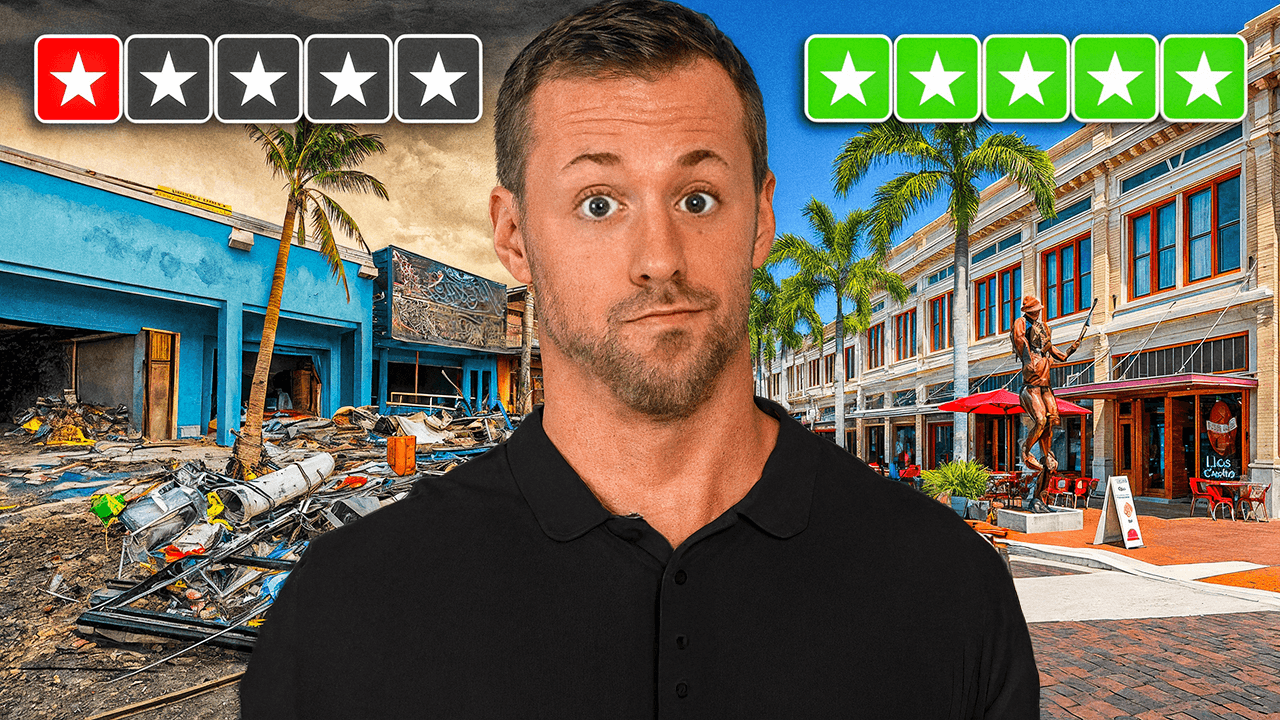
If you’re considering a move to Southwest Florida, it’s smart to ask the tough questions: Are some cities overrated? Are you being sold a lifestyle that might not live up to the hype? This isn’t about selling you sunshine and palm trees. It’s about helping you figure out where you’ll actually love living—and which places could leave you feeling stuck, stretched thin, or seriously disappointed.
This guide ranks Southwest Florida cities based on real-world livability, long-term value, and the trade-offs that make or break your move. It will help you identify the best places to live in Southwest Florida, so you can make an informed decision about your next home. Because what looks good on paper doesn’t always translate to peace of mind.
How We Ranked the Cities
We break cities into five tiers:
- One Star: Budget-friendly but problematic—usually with weak infrastructure, long commutes, and major lifestyle compromises.
- Two Stars: Decent value for specific buyer types, but only if you know what you’re getting into.
- Three Stars: The sweet spot—cities that check most boxes and offer solid long-term value.
- Four Stars: Premium picks that feel like Florida done right.
- Five Stars: The gold standard—top-tier in every way, if your budget allows.
This ranking system helps you compare different locales in Southwest Florida, evaluating each based on livability and value.
Some of the rankings might challenge your assumptions. For example, a city quietly losing value but still topping wish lists, or booming areas with hidden flood risks. And the most misunderstood city in Southwest Florida might just be the smartest long-term play.
One Star Cities: Affordable but with Real Trade-Offs
Lehigh Acres: Affordable Homes with Hidden Costs
What if I told you there’s a Southwest Florida city where homes sell for under $330,000—but the real costs of living there aren’t on the listing? For our first D-tier city, we’re peeling back the layers of Lehigh Acres, where affordability might come with some hidden strings. Buyers should consider that while prices are low now, they may eventually face higher costs or need to plan for future upgrades.
Location & Commute Challenges
Lehigh Acres sits about 15 miles east of Fort Myers, which sounds reasonable until you factor in morning rush hour, turnpike traffic, or the influx of winter visitors. That “15-mile commute” easily stretches past 45 minutes, and on some days, you could spend an hour or more just getting to work, school, or the grocery store. Public transit is virtually non-existent here, so this is a car-dependent community. If you’re commuting to Fort Myers or Naples, add another 20 to 30 minutes on top of that. For anyone craving quick access to beaches, entertainment, or work, this kind of isolation feels more like a tether than a perk.
Market Snapshot & Community Lifestyle
On paper, Lehigh looks like a bargain. The median home price is about $329,000—down 6% year-over-year—with homes spending an average of 68 days on the market and over half selling below asking price. It’s definitely a buyer’s market. The catch? While you can negotiate well to snag properties under $300,000, every dollar saved up front might cost you later in higher utility bills, maintenance, or repairs.
The community itself is sprawling, with roughly 114,000 residents and new builds everywhere. But it lacks a true sense of place—no downtown or walkable core, just strip malls scattered among ranch-style homes on large lots. Grocery runs often mean a 20- to 30-minute drive, every time. No bike lanes, no palm-lined promenades—just quiet, quiet, quiet. That isolation can feel peaceful—until it doesn’t. After school pickups, evening classes, soccer practice, and dinner runs, you might find half your day consumed by driving. For some, that’s manageable; for many, it’s a grind.
Infrastructure, Schools & Flood Risks
Infrastructure is a real issue here. Many roads remain gravel or poorly paved, and drainage systems are incomplete. After heavy rains, some neighborhoods flood for days—common enough that residents install French drains or raise foundations to cope, often spending thousands out of pocket. Public infrastructure funding is limited or slow to arrive. School quality is mixed at best, with most schools ranking in the lower half of the county. A few exceptions like Mirror Lakes Elementary perform better, but families often find themselves driving out of zone or opting for private tuition, which adds to overall costs.
Flood risk is another concern. About 37% of properties face medium-to-high flood risk over the next 30 years. Although much of Lehigh is labeled Flood Zone X, which implies minimal risk, that classification doesn’t reflect poor drainage or the threat of tropical storms. Combine that with hurricane wind risk, and insurance premiums here often run above the county average. Many buyers appreciate the low sticker price but face higher monthly costs than expected.
Buyer Perspectives & Who Should Consider Lehigh Acres
Real residents sum it up bluntly: “We loved the low price—but not the long commute and bad roads,” and “It felt cheap until we spent thousands fixing drainage and well issues.” The trade-off is clear—bargain today, maintenance tomorrow.
That said, some locals intentionally buy here to save on mortgage payments and funnel those savings into upgrades—new septic systems, landscaping, appliances. This can be a smart strategy if you budget accordingly, but many buyers don’t and get caught by surprise.
So who should consider Lehigh Acres? Investors or downsizers willing to put in sweat equity might find this a good entry point with potential for short-term returns. But families wanting reliable infrastructure, quality schools, manageable commutes, and peace of mind may find it falls short. Families with kids may especially find the school options and commute challenging. Saving $80,000 to $150,000 upfront won’t compensate for daily frustrations and hidden expenses.
The Takeaway
Smart buyers go in eyes open—understand the commute, infrastructure, maintenance, schools, and flood risks. If your goal is full-time living and community connection, Lehigh presents challenges. But if you’re after affordable homeownership with planned upgrades, it could work.
And that brings us to the next D-tier city just a few miles northwest. Some of Lehigh’s challenges follow, but this city offers unexpected upsides that might tip the balance. Let’s see how North Fort Myers compares.
North Fort Myers: Affordable with Character and Community
Imagine space that feels endless, homes that don’t require an emotional or financial stretch, and a stronger foundation than what we just covered—this next spot might have what you’re looking for. The peaceful and quiet atmosphere makes it an ideal destination for those seeking relaxation and a slower pace of life. But here’s the truth: there’s also a rugged edge that cuts both ways.
A Little Wild — In a Good Way
Welcome to North Fort Myers. It’s a little bit wild out here—in a good way. You’ve got neighborhoods where palm trees and brush spill over onto the road, homes tucked into oversized lots with plenty of breathing room, and an older Florida vibe that hasn’t been wiped away by master-planned communities. Some parts feel like time slowed down—less polished, more lived-in. It’s not uncommon to see people out on their front porch or working on their own property. It has that small-town, country-in-the-suburbs feel. Outdoor activities like fishing are especially popular here, taking advantage of the area’s scenic waterways and natural surroundings.
Suncoast Estates is a good example: a mixed bag of mostly older or manufactured homes, some needing work, some surprisingly well-kept. Gravel streets, occasional overgrown lots, and a few places that haven’t seen a pressure washer in years. But you also get affordability and land. For the right buyer, that trade-off might be worth it.
Commute & Accessibility
If you’re heading into Fort Myers, you’ll cross the Edison or Caloosahatchee bridges—both of which bottleneck during season or after accidents. Public transit is minimal, and some pockets experience brief cell service outages. However, if you’re traveling north or east, access to I-75 is easier here than in many other parts of Lee County.
Housing Market & Value
This isn’t the bottom of the market, nor is it premium. Most move-in ready single-family homes range from about $350,000 to $380,000, sometimes lower depending on location and condition. What makes North Fort Myers stand out is that it’s not a flipper’s paradise. Most buyers purchase to stay, meaning you’re not competing with hordes of investors, keeping prices steadier.
Community Life
There’s more life here than you might expect. Small farms, old-school diners, and family-owned shops—many of which are locally operated—create a unique sense of place, along with the North Fort Myers Recreation Center, which hosts activities from dance classes to pickleball. It’s not flashy, but it’s functional. If you plug in, there’s a real sense of community—people genuinely look out for each other.
It’s also one of the few areas in Lee County where biking or walking to work still happens, reflecting how residents live day-to-day.
Utilities & Infrastructure Considerations
Heads up on water: some homes rely on wells, and even city water can be mineral-heavy. If you notice off-tasting water or rust stains on driveways, that’s common. Water softeners help but add $2,000 to $4,000 in costs to your budget.
Road conditions vary; some streets are newly paved, others overdue for maintenance. You’ll find inconsistencies.
Some older, lower-lying streets flood during storms, though not as severely as in Lehigh Acres. Still, insurance costs—including hurricane and flood coverage—can catch buyers off guard who expect everything to be cheaper because of home prices.
Schools & Education
Schools here are surprisingly solid for the price point. North Fort Myers High is among the better public schools in the county, offering AICE and AP programs, advanced college-prep tracks. Middle and elementary schools are middle-of-the-pack but generally acceptable if you’re willing to drive or choose zoning carefully.
Additionally, residents have convenient access to local colleges and higher education institutions, providing further education opportunities close to home.
What Locals Say
Locals share their perspective:
“We like it here—it’s quiet, and there’s more space than we had in Cape.”
“We’ve had to deal with some water stuff and bumpy roads, but it beats fighting for parking every day.”
The Takeaway
North Fort Myers is a definite step up from Lehigh Acres. You get affordability combined with better infrastructure, stronger schools, and more of a community feel. It’s not turnkey perfect—there’s still maintenance to manage, older homes, and rougher neighborhoods that might not appeal to everyone.
But if you can see the potential and want value without settling for isolation or starting from scratch, North Fort Myers could be your spot.
Next up, we’re crossing the bridge into a city that gets a lot of attention… and for good reason. But the version you see online might not be the version you get. Let’s talk about it.
Two Star Cities: Decent Value If You Know The Trade-Offs
Cape Coral: A Solid C-Tier Choice with Waterfront Lifestyle and Structure
Now we’re crossing the river into what we’d call a solid C-tier city. If you forgot what that means, think of it as decent value for the right buyer—but only if you know what you’re signing up for. Cape Coral also features a growing local arts scene, with galleries and cultural attractions that add to its unique character. There’s plenty of opportunity here, but also trade-offs you’ll want to see coming.
Waterfront Living at an Affordable Price
Cape Coral has been growing fast. On paper, it looks like the best of both worlds: more waterfront homes than Miami, median prices that still feel within reach, and neighborhoods that, from a distance, appear clean, calm, and well-kept.
The city was master-planned in the 1960s with big dreams and even bigger canals. Today, it delivers on that promise with wide streets, fresh builds, plenty of space, and more waterfront lifestyle than almost anywhere in the country—without Miami prices. You can still find three-bedroom, two-bath homes in the low $400,000s and canal-front homes with boat lifts under $600,000. For many relocation buyers, that sounds like a steal.
Rules, Ordinances, and Flooding
But here’s what Zillow might not tell you: Cape Coral’s rapid growth came with strict structure. The city enforces tight ordinances about what you can park in your driveway, how tall your grass can grow, even the kind of fence you can install. It’s not technically an HOA, but at times it feels like one. If you’re used to doing what you want with your yard or your weekends, this city might challenge that freedom.
Flooding is another issue—not just during hurricanes. Afternoon downpours can flood intersections in minutes. While parts of southwest Cape Coral have updated drainage systems, many older areas still rely on aging swale systems that overflow quickly. Water can sit in front lawns and flood streets, so you’ll want to learn which neighborhoods handle rain better before buying.
Traffic & Commute Realities
Traffic between Pine Island Road, Del Prado, and Cape Coral Parkway can be frustrating. A 15-minute drive often doubles to 30, and in high season, it can take twice as long. There are only a few bridge crossings into Fort Myers, which bottleneck daily, especially around Veterans Parkway near rush hour.
Schools & Neighborhood Vibes
On the plus side, schools in better neighborhoods hold their own, with some A-rated elementary and middle schools and expanding options like the Oasis Charter system. For remote workers and boat lovers, Cape Coral offers freedom—sunset cruises from your backyard dock, plenty of space, and home prices that still make sense.
Not every neighborhood feels micromanaged. Southwest Cape is more relaxed, dominated by newer builds and close to restaurants, shops, and some of the city’s best canal views. The northeast side has older homes, more septic and well issues, and neighborhoods where flood maps and insurance deserve careful attention.
Before you buy, here’s a local tip: drive through neighborhoods after a summer rainstorm to see how high water sits and ask neighbors about city letters. Some areas are quiet, others have ongoing ordinance enforcement for minor infractions like garbage cans left out too long.
Cape Coral is also within easy reach of several major university campuses, which adds to the area’s vibrant community, brings cultural events, and supports a diverse local economy.
The Takeaway
Cape Coral isn’t trying to be edgy—it’s aiming for organized. For the right buyer, that means solid resale value, clean streets, and a community that usually shows pride of ownership. But it’s not the laid-back, carefree Florida of your imagination. It’s a structured Florida suburb, with rules and a little red tape wrapped around your tiki bar plans.
Still, for families or retirees wanting a boating lifestyle without the Naples price tag, Cape Coral might be the sweet spot—you just need to know where to look and what to expect.
Next up, we’re heading to a city with older charm, a more casual vibe, and some serious lifestyle perks—but also some real trade-offs. Let’s dive into that next.
Fort Myers: Historic Charm Meets Growing Potential
So if Cape Coral felt a bit too rigid, structured, or suburban for your taste, now we’re heading into its more historic, slightly looser twin across the bridge: Fort Myers.
Fort Myers is known for its rich American heritage, with historic sites and American art collections that showcase the city’s cultural legacy. This is the kind of city that makes you feel like you’re finally in Florida. You’ve got Royal Palms lining the streets, Edison’s old estate downtown, and neighborhoods with real history—not just planned developments from the 2000s. Fort Myers has soul. When it comes to housing, you’ll see everything from 1920s Spanish-style homes to new construction tucked among mature trees and winding roads.
Diverse Neighborhoods & Pricing
But just like Cape Coral, the map here matters—Fort Myers is fragmented. It’s not one big city with a consistent vibe. You’ve got everything from riverfront estates and gated golf communities to areas where you’ll want to double-check the crime map before scheduling a tour.
Median home price sits just over $385,000—up slightly year-over-year—but the range is wide. Some historic neighborhoods fetch $600,000+ even without water access, while others just 10 minutes away linger under $300,000 for a 3-bedroom, 2-bath block home. It’s not always about the house itself; it’s about the street, the school zone, and how well the neighborhood’s been maintained.
Schools & Education Options
Schools here are complicated. Fort Myers has some great schools and some average ones. The city’s school choice program means you aren’t always guaranteed a seat at your nearest campus, requiring planning—and sometimes a bit of luck.
That said, there are strong magnet and charter options like Fort Myers High with IB and AICE programs, as well as popular newer schools like Gateway Charter just east of the city.
Fort Myers is also home to a university, which plays a significant role in the local community by contributing to the city’s educational opportunities, economy, and vibrant lifestyle.
Lifestyle & Walkability
If walkability is important, Fort Myers has it—in pockets. Downtown has come a long way, with restaurants, events, riverfront concerts, and breweries bringing new energy to the historic core. Popular lunch spots in the River District make it a favorite destination for midday dining and casual outings. The River District shines especially during art walks and farmers markets.
But step a few blocks the wrong way, and the vibe changes quickly. The city is still catching up with cohesive development. Gentrification is happening but unevenly.
Flooding & Infrastructure
Flooding is a wildcard. Fort Myers took a direct hit during Hurricane Ian, and while many neighborhoods have rebounded, some are still feeling the aftershocks. Storm surge in riverfront areas was devastating, and flood insurance premiums reflect that. Certain homes now require elevation certificates or come with sticker shock insurance quotes.
Even outside hurricanes, older drainage systems in neighborhoods like Dunbar and parts of East Fort Myers can struggle during heavy rains.
Location Nuances & Traffic
Here’s a local insight most buyers don’t hear: not all “Fort Myers” is Fort Myers. Areas like Gateway and San Carlos Park have Fort Myers mailing addresses but fall outside city limits and have very different vibes.
Gateway feels like a master-planned suburb with its own schools, restaurants, and newer construction. San Carlos Park, in contrast, has lots of investors, short-term rentals, and older homes, but it’s minutes to Estero and beaches.
Traffic is not great but more manageable than Cape Coral if you live smart. Proximity to I-75 makes airport runs easier, but US-41 through central Fort Myers is a crawl during season, and McGregor Boulevard, while scenic, can feel bumper-to-bumper some days.
The Real Draw: Proximity & Variety
The biggest appeal? Location. You’re 25 minutes from the beach and minutes from downtown. Established golf communities, gated neighborhoods, big-box shopping, and mom-and-pop cafés all sit within a tight radius.
Fort Myers is a city of pockets—get the right pocket, and it’s magic; the wrong one, and it’s a mess. It rewards buyers who do their homework and punishes those who assume every palm tree means paradise.
Coming up next, we head south to a place that feels more polished, manicured—and a lot more expensive. But is it really worth it? We’ll break that down next.
Before we move into the B-tier cities, if you’re even considering a move here—whether in two months or two years—this is exactly the kind of guidance I provide every day. If you have questions, want help narrowing down where you’d actually enjoy living, or want to avoid costly mistakes, feel free to reach out. No pressure, just real talk whenever you need it.
Alright, now let’s shift into what I call the sweet spot—cities where the trade-offs finally start to make sense.
Three Star Cities: The Sweet Spot
Bonita Springs: The Versatile, Underrated B-Tier City
So let’s talk B-tier cities. You’re not getting the flashiest zip code or the cheapest deal—but what you do get is a strong mix of livability, long-term value, and fewer major trade-offs compared to other parts of Southwest Florida. Bonita Springs, for example, offers a variety of attractions and amenities suitable for the whole family, making it a great choice for everyone from children to grandparents. You still need to make some decisions carefully, but if you know what you’re doing, these areas offer real upside.
A Sampler Platter of Southwest Florida Living
Bonita Springs is an interesting city because it kind of sneaks up on people. Wedged between Naples and Estero, many out-of-towners bypass it on their way south. But locals know it’s one of the most versatile and underrated places in the region.
Here, you’ll find gulf-access neighborhoods, new construction, walkable spots near the beach, 55+ communities, gated neighborhoods, golf courses—you name it. It’s like a sampler platter of Southwest Florida lifestyles all rolled into one.
Housing Market & Location Benefits
Housing prices run a bit higher than most of Lee County but remain far more affordable than Naples. The median home price is around $575,000, though condos and villas in the $300,000s are still available. Inventory is up and competition has cooled, so if you’re coming from a bigger market, this could feel like a steal.
Bonita lacks a classic downtown, but areas like Old 41 and Bonita Beach Road serve as central corridors, blending old Florida charm with ongoing revitalization. You might pass an artisan coffee shop, then a block later hit a bait shop or an empty lot—progress is patchy but happening.
The trade-off? You’re just 15 to 20 minutes from Naples, 25 from Fort Myers, and five minutes from white-sand beaches—with minimal traffic. Try that from Cape Coral or Lehigh Acres.
Schools, Flooding & Zoning Quirks
The school ratings in Bonita are average to slightly above average—not bad, but not standout either. Bonita Springs High, the newer high school, offers solid career academies and vocational programs, but it’s still developing academically. Families seeking top-rated schools often look just north in Estero.
Flooding is something to watch. Areas west of 41 tend to have high flood insurance costs. If you’re near the Imperial River or Spring Creek, detailed flood zone maps are a must before making an offer. Many homes were built decades ago, so do your homework on roof age, plumbing, elevation, and insurance history.
Zoning quirks remain, too. Pockets of manufactured homes sit right next to waterfront mansions, creating a patchwork vibe—not necessarily bad, but not the clean, uniform look you’d find in Estero or Naples Park.
Why Bonita Might Be the Smartest Move
Here’s what most people miss: if you’re not chasing Naples for status or Fort Myers for price, Bonita offers the best shot at beachside living without the chaos, commute, or high costs. Kayaking, waterfront dining, seasonal events at Riverside Park, and a real community vibe make it a hidden gem.
For snowbirds, retirees, and remote professionals, it’s an ideal spot. Full-time families can also make it work—if they’re thoughtful about school zones and flood risks.
It’s not talked about much, but Bonita might be the smartest move most people aren’t making.
Just up the road, there’s a city that does get a lot of attention. In fact, it’s one of the fastest-growing and most in-demand areas in all of Southwest Florida. But with that growth come some real growing pains. Let’s take a closer look.
Estero: Polished, Planned, and Poised for Growth
Now we’re stepping into a city that feels like carefully curated Florida living—with newer homes, resorts, shopping centers, and upward momentum everywhere you look. This B-tier city ticks nearly every box—but not without one big consideration. Say hello to Estero.
Intentional Layout & Vibrant Lifestyle
Estero’s streets feel intentional. Luxury gated neighborhoods, well-maintained medians, and a polished-but-not-pretentious vibe define the area. The price reflects this, with median home prices in the mid-$500Ks, climbing into the low $600Ks for golf community homes. But many buyers don’t realize you’re paying not just for the house, but for master-planned consistency, safety, and a lifestyle that feels good day after day—even on simple walks with your dog.
Corkscrew Road, the main corridor, hosts dozens of shopping plazas, destinations like Miromar Outlet Mall, and offers easy access to Gulf Coast Town Center. New restaurants, breweries, and boutique fitness studios keep things suburban yet vibrant. By Florida standards, the area feels walkable and bikeable.
Growing Pains & Infrastructure
That said, even perfectly planned developments come with trade-offs. Traffic is creeping up fast. Corkscrew Road is expanding from two to three lanes, and rush hour backups to I-75 are a reality. If you work in Naples or Fort Myers during the busy season, budget extra time for delays. Construction congestion is the biggest growing pain here—but the city is actively responding with more turn lanes and widening projects.
Public schools in Estero are consistently rated solid to very good. Prestigious options like Estero High and its International Baccalaureate program add appeal. However, in some neighborhoods, schools are farther away, making drop-off traffic challenging. Still, compared to many crowded metro areas or California schools, families find this a major win.
Built for the Future & Unique Challenges
Beaches and golf courses are nearby, but newer homes in Estero are also built with future-proofing in mind: elevated foundations, hurricane-rated windows, and upgraded drainage systems. You’ll pay more upfront, but this often leads to smoother insurance renewals and fewer surprises during storms.
Estero was unincorporated until recently, which means fewer historic homes and charming side-street cottages. This city is newer, curated, and polished—if you want character in your curb appeal, you may need to bring it yourself.
One more thing to watch: while infrastructure is generally well-maintained, some neighborhoods are built on reclaimed wetlands. Stormwater ponds look beautiful, but during heavy rains, they sit visibly close to homes. Don’t fall for glossy development photos without checking elevation and drainage carefully.
Here’s a real buyer snapshot:
“We came here for the peace-of-mind infrastructure—but found neighborhood fees are high, and construction is nonstop. We don’t regret it, but it’s not ultra-quiet.”
That’s the Estero paradox—it offers luxury and reliable systems but demands constant growth fees and occasional road-closure surprises.
Why Estero Earns Its B-Tier Status
So what’s the payoff? Estero is a polished, family-friendly suburb with lifestyle investment built into every street. It’s not the type of place that screams “Florida paradise” when you arrive—but after living here, even winters and rainy days feel intentional and well-supported.
If you want solid value for what you get, Estero definitely earns its place in B-tier.
Bonita and Estero are often lumped together but attract very different buyers. If you want a beachy lifestyle without the Naples price tag, let me know in the comments which one you’re leaning towards.
But what if you’re chasing the classic postcard-perfect version of Florida—the one you see in magazines? Next up is a city that moves the dial even higher—into A-tier territory—but comes with rare limitations and costs you can feel.
Four Star Cities: Florida Done Right
Sanibel Island: A Serene Island Retreat
Now we’re crossing the Intracoastal from the mainland—over the Sanibel Causeway—into a place that feels miles away, even though it’s just a short drive. Welcome to Sanibel Island, a classic Sunshine State destination known for its beautiful weather and relaxed Florida charm.
Island Living: Calm Over Convenience
Sanibel sits just west of Fort Myers, connected by two low bridges. This isn’t just a neighborhood—it’s an island retreat featuring protected beaches, nature preserves, and bike paths that stretch coast to coast. Despite Southwest Florida’s hustle, Sanibel feels tucked away in its own tranquil world.
Living here means trading convenience for calm. Homes rarely dip below seven figures, with a median price around $910,000. Although that’s down about 9% from last year, it remains firmly luxury territory. The homes are built to last—hurricane-rated roofs, elevated foundations, eco-conscious designs—often nestled among greenery or right on the water. But the premium finishes and island-grade construction can cost up to 20% more per square foot than mainland homes.
Daily Life Challenges & Connectivity
Routine errands aren’t routine. Supermarkets and big-box stores are on the mainland, so islanders rely on two small grocery stores and one big-box shopping trip per week—assuming the causeway isn’t clogged with seasonal traffic or weather delays. That translates to an hour-plus round trip most times.
Neighborhood vibes exist, but public transportation doesn’t. There are no buses, only paratransit services for seniors and residents with disabilities. If you work off-island in Fort Myers, the causeway becomes your daily obstacle course during season, storms, or traffic jams. Cell service can drop during storms, and locals joke you’re “offline until you’re back on tarmac.”
Insurance is another big consideration. Being oceanfront means some of the highest insurance rates in Florida—triple what you’d expect inland. Wind and flood coverage can add monthly premiums comparable to a small car payment.
Community & Maintenance
Schools here are a highlight—small class sizes, strong community involvement, and a genuine island vibe shine through events like Earth Day celebrations and field trips. But for families with teens, expect commutes to Fort Myers or limitations on local high school options.
Island living also comes with elevated upkeep costs beyond housing and insurance. Landscaping in salty soil, septic systems, and erosion control demand higher maintenance budgets. Boat docks and seawalls require frequent care due to tides and storms—nothing is ever truly “finished.”
The Sanibel Rhythm
Living in Sanibel means enjoying undisturbed beaches, abundant wildlife in your backyard, and sunrises that feel like art. The island’s low density means no traffic lights for half the town—but you trade away convenience, spontaneity, and the quick trips to big-box stores for serenity and slow-paced charm.
Sanibel isn’t just a zip code—it’s a lifestyle rhythm. It’s for those who dream of waking to nature’s sounds, prefer birdsong over sirens, and find joy in slow mornings and weekends spent building docks or kayaking mangrove tunnels. For these people, the trade-offs aren’t drawbacks—they’re exactly why they choose this life.
It’s tranquil, purposeful, and beautiful—but not for those wanting all comforts within arm’s reach.
And that brings us to somewhere even more secluded and further off the map…
Captiva Island: The Ultimate Secluded Escape
Just past Sanibel, over a narrow bridge where the road narrows to two quiet lanes, sits Captiva Island—a slender sliver of land wrapped in water, sunsets, and seclusion. Unlike any other city covered so far, Captiva doesn’t feel like a place you move to… it feels like a place you escape to.
Quiet Luxury & Limited Inventory
The moment you cross over from Sanibel, you notice the difference. No traffic lights, no sidewalks, no strip malls or office parks—just lush greenery, weather-worn beach homes, and driveways lined with kayaks instead of cars. If Sanibel is quiet, Captiva is silent—a hidden luxury resort where people go to disappear into the Gulf breeze.
That luxury comes with layers. Real estate inventory here is tiny—just a few dozen home sales per year. The median price sits just over $2.3 million, with most properties selling for cash and well above list price. These aren’t starter homes; they are beachfront compounds, second homes, or vacation rentals generating $15,000+ per week in season.
Privacy and a Simple Lifestyle
The biggest upside? Privacy. Captiva feels like its own little country, with just enough to live simply—a handful of upscale restaurants, a marina, a general store, a tiny post office, and a couple of resorts offering bike and boat rentals. You can live here full-time, but most don’t. It’s a vacation rhythm, not a daily grind.
Daily Life: Challenges and Costs
That said, daily life here can be a grind if you’re not prepared. The commute off the island involves multiple bridges and can take a full hour to get into Fort Myers on a normal day. Groceries require a mainland errand. There are no schools, gas stations, or pharmacies on the island. If you’re sick, you’re crossing two causeways to get help.
Being a barrier island, Captiva is completely exposed to storms, tides, and flooding. Insurance premiums reflect that reality—some properties now see $15,000+ annually just in hurricane and flood coverage. Rebuilding here is costly and complicated: materials are harder to source, contractors are more selective, and costs can be 30–50% higher than mainland averages. Strict FEMA codes, permitting delays, and limited utility access add to the challenge, making every project an exercise in patience.
A Lifestyle Choice, Not an Accident
Still, none of these challenges seem to deter those who are truly drawn here. When Captiva calls, it speaks deeply—it’s kayaking through mangrove tunnels before breakfast, sunsets that look hand-painted, and watching dolphins follow your boat home as if it’s routine.
But here’s the truth—you don’t stumble into buying in Captiva. You choose it. You plan it. You weigh the lifestyle against the realities, and you decide that what you gain is worth what you give up.
It’s peaceful. It’s pristine. But it’s not practical—not for work-from-home warriors without stable Wi-Fi, not for school-aged families, and not for anyone who needs to be somewhere on time, every time.
This is a retreat. If you’re okay living at the edge of the map, Captiva might be the paradise you’ve been searching for.
If that sounds like too much distance between you and everyday life, our next city might be your sweet spot—still upscale, still beachy, but with a little more access and a lot more community. Let’s head there next.
Five Star City: The Gold Standard
Naples: The Crown Jewel of Southwest Florida (S-Tier)
When it comes to Southwest Florida, there’s only one city that truly earns an S-Tier rating—not just for its price or prestige, but because it consistently ranks at the top in all the areas that matter: safety, natural beauty, lifestyle quality, future-proofing, and infrastructure that stands the test of time.
S-Tier cities are rare gems. They’re not just desirable; they’re resilient. These places tend to hold their value even during downturns, attract long-term investment, and offer homeowners peace of mind in an unpredictable world.
Naples is the textbook example of this kind of city. Sarasota, another key city in Southwest Florida, is also known for its vibrant cultural scene, historic architecture, and regional attractions, but Naples stands out for its unique blend of prestige and long-term value.
The Ultimate Long-Term Investment
Located just south of Bonita Springs along the Gulf Coast, Naples is known worldwide for its pristine beaches, luxurious gated golf communities, and upscale shopping. But beyond the glossy postcard image, Naples offers something deeper—it’s a city where wealth isn’t just displayed; it’s protected.
This isn’t just a place for the ultra-wealthy. It’s a smart choice for anyone serious about preserving their investment, avoiding flood-prone areas, and living in a community that’s as functional as it is beautiful.
Naples homes rebounded faster than any other city in the region following the 2008 housing crash. When Hurricane Ian struck, prices barely dipped and then recovered quicker than nearby areas. Over the past decade, Naples has seen steady annual appreciation rates between 6% and 8%, with some neighborhoods experiencing double-digit growth. Unlike other Florida cities that may plateau or dip, Naples tends to maintain steady, gentle increases—proof of its enduring demand and durability.
Premium Homes with Thoughtful Design
Yes, homes here come at a premium—the median price hovers in the $600,000s and rises rapidly the closer you get to the coast. But inland Naples has quietly developed some of the best master-planned communities in Southwest Florida. These neighborhoods feature newer construction, superior elevation, top-rated schools, and amenities that feel more like a five-star resort than a typical subdivision.
These are not slapdash spec builds; they are carefully designed to work seamlessly for residents. Walk into a Naples home, and you’ll notice the difference—impact-resistant windows, sturdy roofs, advanced drainage systems, and compliance with strict building codes that many buyers don’t even realize exist.
The Cost of Quality
Of course, all this quality comes with higher costs. Insurance premiums, property taxes, and renovation expenses are real factors here. Plus, contractors who meet Naples’ high standards are in demand, so you won’t be negotiating bargain rates.
However, the payoff is the best infrastructure, neighborhood stability, and code compliance money can buy—providing peace of mind that is hard to find elsewhere in the region.
Traffic in Naples can get busy during season, but the city manages it better than most. Wide roads, clear signage, and less stop-and-go congestion than places like Cape Coral or downtown Fort Myers make daily travel smoother. Whether running errands or entertaining out-of-town guests, Naples offers a notably easier and more pleasant experience.
Tin City provides a charming, walkable downtown vibe, while Naples Airport adds convenience for frequent flyers. Even grocery stores feel more thoughtfully curated compared to other areas.
Is Naples Worth It?
When people ask, “Is Naples really worth it?” the answer depends on what you value.
This isn’t the city where you chase bargains or quick flips. It’s the city where you safeguard your investment, enjoy an elevated lifestyle, and genuinely feel the difference in your day-to-day life.
Contrary to common assumptions, Naples isn’t just for retirees or snowbirds. It’s a thriving community for families seeking strong schools and safe neighborhoods, professionals wanting stability, and anyone tired of the emotional rollercoaster wondering if their home will lose value, flood, or require costly repairs after the next storm.
Naples isn’t just popular—it’s proven. For the right buyer, it might be the smartest long-term play in all of Southwest Florida.
Finding Your Best Fit in Southwest Florida
Choosing the “best” city isn’t just about comparing median home prices or school ratings. It’s about aligning your lifestyle, timing, and long-term goals with what each community actually feels like day-to-day. For example, the annual regional rankings published in October often provide valuable insights into how cities stack up, but it’s important to look beyond just those numbers.
If you’re trying to figure that out, the best approach is to dig deeper—not just into the numbers, but into the real experiences of locals. That’s exactly why I created a comprehensive Relocation Kit, built around the genuine questions and challenges my clients have faced when making their move here. It covers everything from schools and insurance to traffic patterns and even neighborhoods to avoid. You can find the link to the kit below.
And if you’re already narrowing down your options and want personalized guidance, you’ll find my contact information below as well. Feel free to reach out whenever it makes sense—I’m here to help you think it through without any pressure.
Thanks for reading. Until next time, stay safe, stay positive, and most importantly—stay free.
Get in Touch
If you have any questions about moving to Southwest Florida or want personalized advice on finding the right community for you, feel free to reach out anytime:
Rick Harrison
TV Host | Southwest Florida Relocation Specialist
📞 Phone: (239) 376-3777
📧 Email: Rick@swflrelocationteam.com
I’m here to help make your move smooth, informed, and stress-free!
Once you’ve identified which Southwest Florida cities match your lifestyle, the next critical step is understanding the financial reality of your move—from property taxes to insurance costs that might surprise you, which is why you should explore whether you can really afford to move to Southwest Florida and the hidden fees you need to know.